


[VIDEO] A behind-the-scenes look at the complexity, precision, coordination and craftsmanship required when building reliable stormwater solutions for residential and commercial developments.
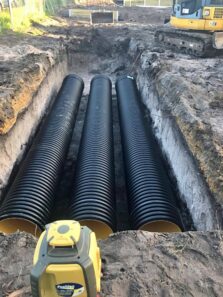
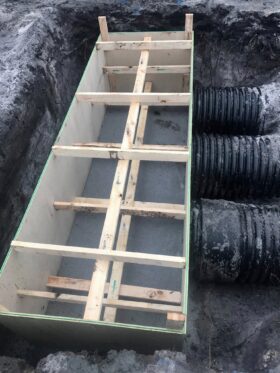
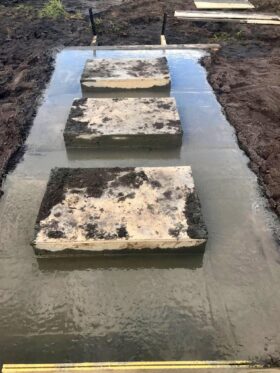
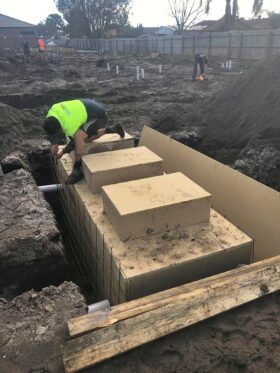
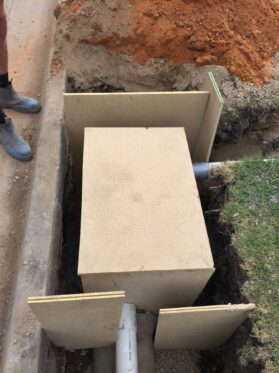
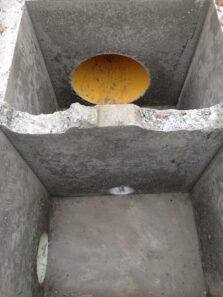
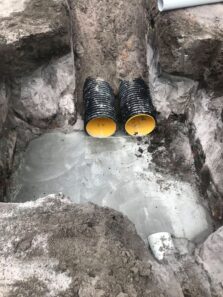
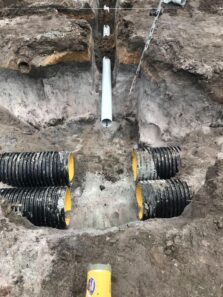
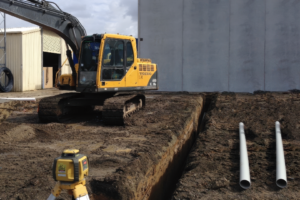
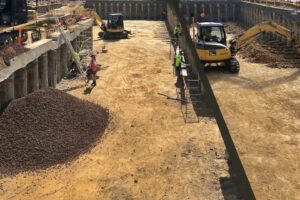
Various projects from Sunny Coast Plumbing Co showing underground stormwater infrastructure installation, featuring:
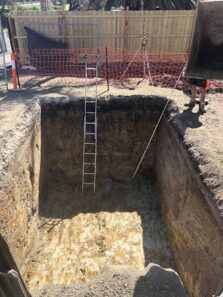
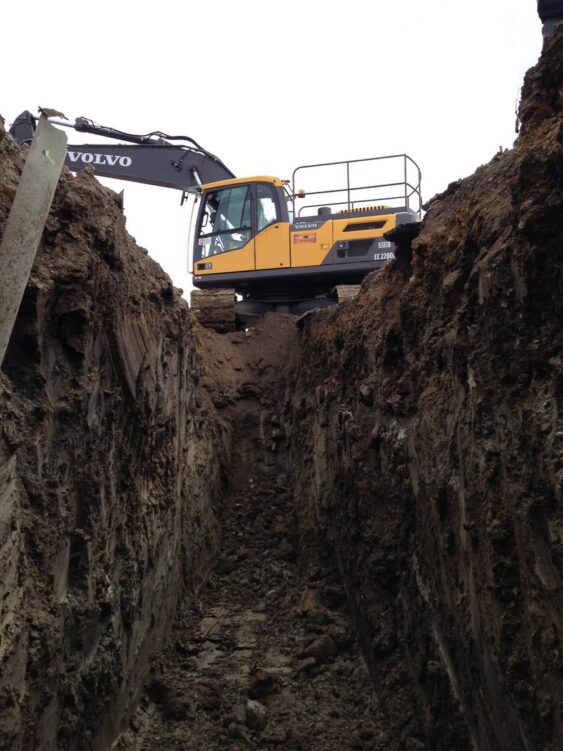
✔ Excavation and Site Preparation: Deep trenching and leveling work to accommodate large-scale drainage systems.
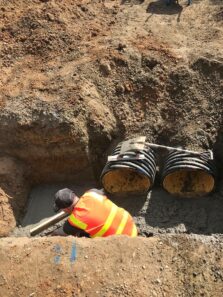
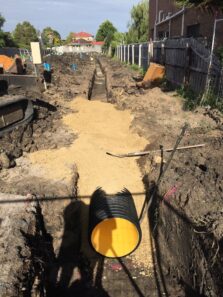
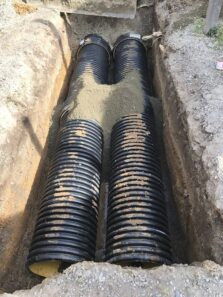
✔ Pipe Installation: Heavy-duty black corrugated pipes with yellow end caps are laid out and connected, designed for high-capacity stormwater flow and durability.
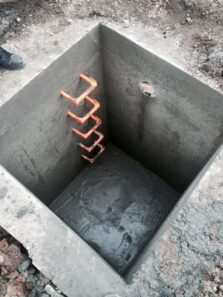
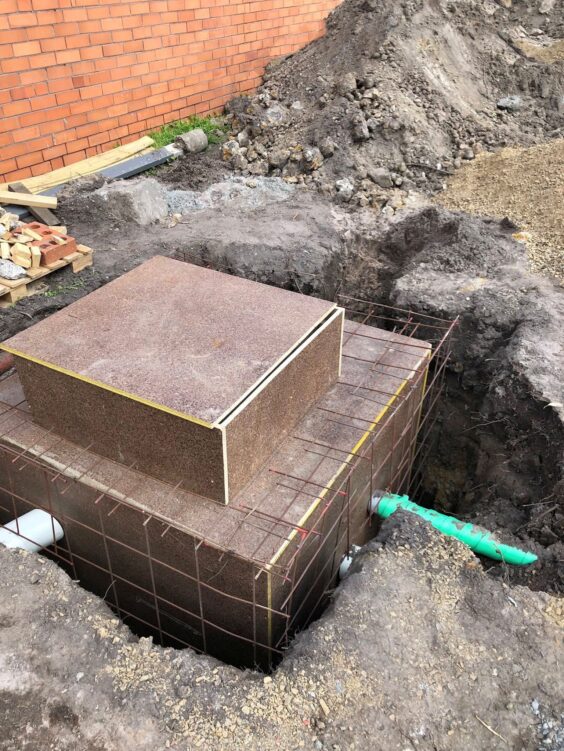
✔ Concrete Chambers and Pits: Circular concrete pits and retention chambers are positioned and sealed, forming the backbone of the water management system.
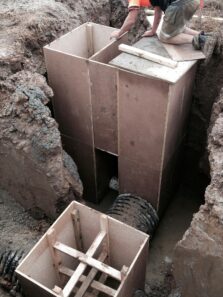
✔ Formwork and Structural Reinforcement: Timber formwork is used to shape and support concrete pours, ensuring long-term stability.
✔ On-Site Machinery and Teamwork: Excavators and skilled workers are shown actively engaged in the installation process.
Stormwater Facts That Might Surprise You.
1. Stormwater is not the same as a sewer.
Most people assume stormwater and sewer are the same system. They’re not—and mixing them causes flooding, pollution, and council fines.
2. These systems are sized for future rain, not today’s weather.
Retention systems are engineered for rare, high-intensity rain events, not average rainfall. Climate volatility has already changed how they’re designed.
3. What’s underground determines whether a site floods years later.
Failures usually don’t show up immediately. Poor bedding, alignment, or compaction can take years to reveal themselves—often after landscaping and buildings are complete.
4. The soil matters as much as the pipes.
Clay, sand, rock, and fill all behave differently. The same system design can succeed or fail depending on ground conditions.
5. Gravity does almost all the work.
No pumps, no electronics—just precise falls measured in millimetres. Get that wrong, and water slows, backs up, or silts.
6. Those black pipes aren’t just “plastic.”
Corrugated stormwater pipes are engineered for load, flow, and ground movement. Pipe choice is structural, not cosmetic.
7. Concrete pits are access points, not just collection boxes.
They’re designed for inspection, maintenance, and future access—long after the site looks finished.
8. Stormwater systems protect buildings you can’t see yet.
Often installed before slabs, driveways, or landscaping, they’re protecting future assets that don’t exist at install time.
9. Once buried, mistakes are expensive.
There’s no easy fix later. That’s why stormwater work is slow, measured, and checked repeatedly before backfilling.
10. Good stormwater systems are intentionally boring.
If no one notices it during heavy rain, it’s doing its job perfectly.
Every project like this is a coordination of people, machinery, materials, and timing. When those elements come together properly, the result is infrastructure that quietly does its job long after the site looks finished.
Good stormwater systems don’t draw attention — they just work, year after year.
Strong foundations aren’t visible — but they make everything else possible.
The best work is often the work you never have to think about again.
[PHOTOS] These images capture the kind of work most people never see once the ground is covered. It’s careful, technical, and built to last — exactly how stormwater infrastructure should be done.