


[VIDEO] Restroom Plumbing; Designed to Be Forgotten. Part of the Commercial Kitchens & Toilets Project.
You only notice a toilet when it doesn’t work!
We install them so they’re never noticed.
Commercial amenities installation overview.
The Brief
High‑use restrooms in premium environments demand absolute precision. The walls were finished in expensive tile and stone — materials that are unforgiving if penetrations are even a few millimetres off. One misaligned pipe and the tiler is forced into awkward cuts that ruin the entire aesthetic.
The System Choice
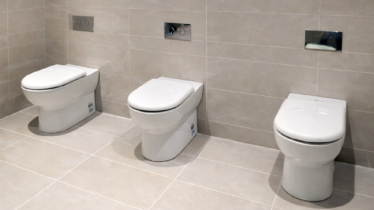
We executed precision wall penetrations using laser alignment and tight tolerances, ensuring every outlet, mixer, and waste point lined up perfectly with the design drawings. The plumbing behind the walls was built with the same discipline, so the visible finishes could shine without compromise.
The Result
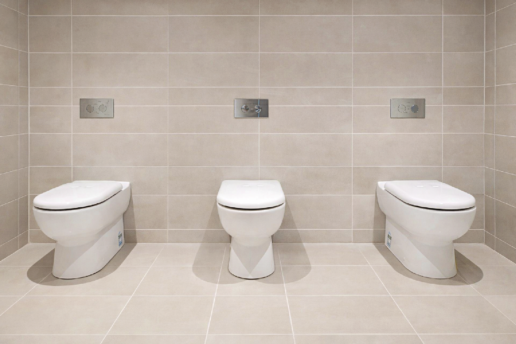
The finished restroom presents clean lines, flawless tilework, and a premium feel that holds up under heavy daily use. The craftsmanship behind the walls ensures the beauty on the surface stays beautiful.
If the tiler smiles when we’re done, we’ve done our job right.
Here’s what actually matters in commercial toilet installs.
1. Flush systems are engineered for volume, not homes.
Commercial toilets must handle rapid, repeated use without pressure drop. That affects:
◆ valve selection
◆ pipe sizing
◆ water balance across multiple pans flushing at once
Most failures come from domestic-grade thinking in a commercial space.
2. Set-out accuracy is unforgiving.
A few millimetres off during rough-in can mean:
◆ crooked pans
◆ uneven spacing
◆ poor alignment with tiles and flush plates
In commercial bathrooms, symmetry is perceived quality.
3. Concealed cistern access matters (even if you never see it)
Behind-wall systems must allow maintenance without:
◆ removing tiles
◆ closing the venue
◆ creating water damage
Poor access design = expensive downtime later.
4. Noise control is part of the experience
Restaurants don’t want:
◆ loud refills
◆ hammering pipes
◆ echoing flushes
Correct isolation, fixing methods, and valve choice reduce noise dramatically.
5. Hygiene is designed in, not added later
Wall-mounted or skirted pans aren’t just aesthetic:
◆ fewer dirt traps
◆ easier cleaning
◆ faster turnaround for staff
That’s operational efficiency, not design vanity.
6. Floor falls and drainage are critical
Bathrooms fail when:
◆ water pools near pans
◆ cleaning water can’t drain properly
◆ slips become a liability issue
Good plumbing supports cleaning routines, not just installation day.
7. Compliance ≠ quality
Passing inspection doesn’t mean it’s good. Quality shows up in:
◆ long-term reliability
◆ how it feels to use
◆ how often someone has to think about it
The best installs disappear into the background.
It’s not just about fitting a pan. It’s about pressure, alignment, access, acoustics, hygiene, and durability — all working together so the space feels clean, calm, and effortless for years.
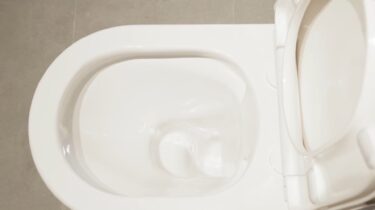
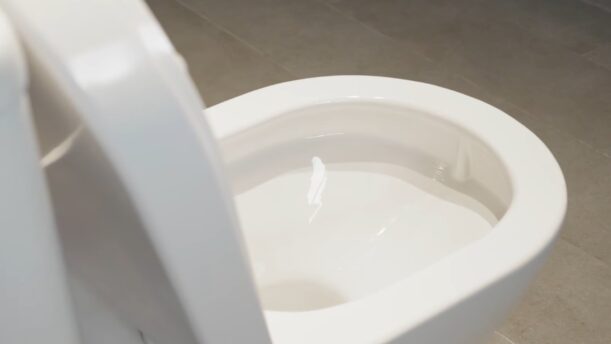
[PHOTOS] Commercial toilets with modern fixtures, concealed cisterns, precision wall penetrations, and consistent alignment across all fittings. The space reflects quality, compliance, durability, and a clean architectural finish suitable for public or commercial facilities.